Lab-Grown Diamond Jewellery: The Complete Buying Guide
Quick Summary
- Lab-grown diamonds are chemically, physically and optically identical to mined diamonds — they are real diamonds in every measurable sense
- Two methods create them: CVD (Chemical Vapour Deposition) and HPHT (High Pressure-High Temperature) — both produce genuine diamonds
- Lab-grown diamonds are typically 60–80% less expensive than comparable mined diamonds in the UK in 2026
- They are graded and certified by the same independent laboratories as natural diamonds — IGI and GIA are the two names to look for
- Lab-grown diamonds do not hold their resale value as well as natural diamonds — this is the single most important trade-off to understand before buying
- A lab-grown diamond is not a simulant: it is not cubic zirconia, moissanite or glass — it is a real diamond
- For buyers who want the largest, most brilliant diamond their budget allows, lab-grown is almost always the right choice
- Every Sunshine Diamonds lab-grown diamond is IGI or GIA certified and set in hallmarked UK gold or platinum
Content Quicklinks
- - What Are Lab-Grown Diamonds?
- - How Are Lab-Grown Diamonds Made? CVD vs HPHT
- - Are Lab-Grown Diamonds Real?
- - Can You Tell a Lab-Grown Diamond Apart?
- - Certification: IGI, GIA & What to Look For
- - Lab-Grown vs Natural Diamonds: Key Differences
- - Lab-Grown vs Simulants: Moissanite & Cubic Zirconia
- - Price Guide: What Do Lab-Grown Diamonds Cost in the UK?
- - Do Lab-Grown Diamonds Hold Their Value?
- - Are Lab-Grown Diamonds Ethical & Sustainable?
- - Lab-Grown Diamond Jewellery: Rings, Earrings & More
- - Caring for Lab-Grown Diamond Jewellery
- - Should You Choose Lab-Grown or Natural?
- - Step-by-Step: Buying Lab-Grown Diamond Jewellery
- - FAQs
- - Final Thoughts
Lab-grown diamonds have quietly become one of the most significant shifts in the UK fine jewellery market in a generation. A few years ago, the question was whether they were legitimate. Today, the question is simply: are they right for you? Sales of lab-grown diamond jewellery in the UK have grown by more than 70% year-on-year, and the conversation has matured from scepticism to genuine, well-informed consideration.
But with that growth has come a great deal of noise — marketing language, contradictory claims, and genuine confusion about what lab-grown diamonds actually are, how they compare to natural stones, what they cost, and whether they're worth buying. This guide exists to cut through all of it. Every question our customers ask is answered here, plainly and honestly, so you can make a decision that's right for you — not for whoever is selling to you.
What Are Lab-Grown Diamonds?
A lab-grown diamond is a real diamond — chemically, physically and optically identical to a mined diamond — created in a controlled laboratory environment using one of two processes that replicate the conditions under which diamonds form naturally in the earth. The result is pure crystallised carbon with the same atomic structure, the same 10 Mohs hardness, the same refractive index, and the same brilliance and fire as any diamond pulled from the ground.
The only difference between a lab-grown diamond and a mined diamond is origin. One formed over millions of years beneath the earth's crust under extreme heat and pressure. The other formed over weeks or months in a laboratory that replicates those exact conditions. To a gemologist using standard testing equipment, they are indistinguishable. To the naked eye, they are completely identical.
What a lab-grown diamond is not: it is not cubic zirconia. It is not moissanite. It is not glass. It is not a diamond simulant of any kind. Those materials look like diamonds to the untrained eye but have entirely different chemical compositions and physical properties. A lab-grown diamond is a genuine diamond — full stop.
How Are Lab-Grown Diamonds Made? CVD vs HPHT Explained
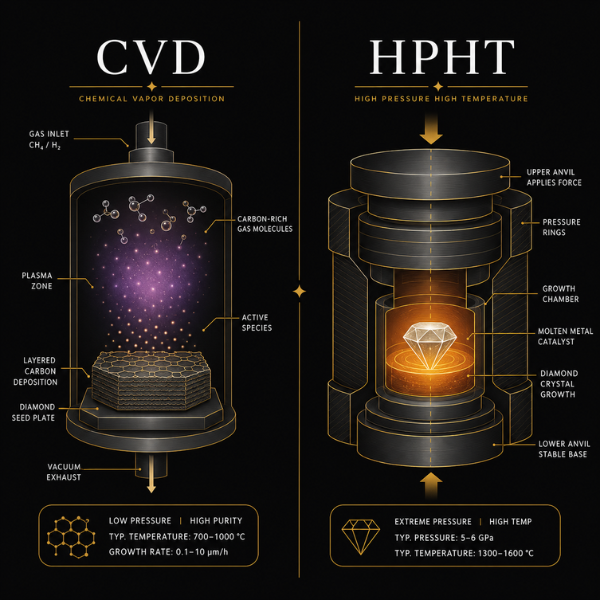
There are two established processes for growing diamonds in a laboratory. Both produce genuine diamonds. The method of production does not affect the quality or value of the finished stone — what matters is the final graded result, not the process used to get there.
CVD — Chemical Vapour Deposition
- A thin diamond seed crystal is placed inside a sealed reactor chamber
- A carbon-rich gas (typically methane) is pumped in and ionised into plasma
- Carbon atoms from the gas bond to the seed crystal layer by layer, growing the diamond from the top down
- Growth takes 6–12 weeks depending on the target size
- CVD diamonds sometimes show a slight brown or greyish tint in the rough that is removed by post-growth heat treatment — a normal, accepted process
- CVD is the most widely used method in the industry today
HPHT — High Pressure-High Temperature
- A diamond seed crystal is placed in a press alongside carbon source material and a metal catalyst
- Extreme pressure (around 1.5 million psi) and temperature (over 1,400°C) are applied
- The carbon melts around the seed and recrystallises as a diamond as conditions are slowly adjusted
- Growth takes 2–4 weeks for smaller stones
- HPHT more closely mimics the natural geological process of diamond formation
- HPHT is also used to improve the colour of certain natural and CVD diamonds post-growth
Are Lab-Grown Diamonds Real Diamonds?
Yes — unequivocally. This is the single most important thing to understand about lab-grown diamonds, and the answer deserves no hedging: a lab-grown diamond is a real diamond. It has the same chemical composition (pure crystallised carbon), the same crystal structure (cubic), the same hardness (10 on the Mohs scale — the hardest natural material), and the same optical properties (brilliance, fire, scintillation) as any diamond extracted from the earth.
The GIA — the Gemological Institute of America, the world's most respected gemological authority — defines a diamond as a mineral composed of carbon atoms arranged in a crystal structure. A lab-grown diamond meets that definition completely. In 2018 the FTC (US Federal Trade Commission) updated its guidelines to remove the word "natural" from its definition of a diamond, formally recognising that lab-grown diamonds are genuine diamonds.
The term "synthetic" — sometimes used in older literature — is technically accurate in the sense of "synthesised" rather than mined, but it is frequently misunderstood to imply fake or inferior quality. It does not. A lab-grown diamond is as real as a mined one in every way that a gemologist, a jeweller, or a scientist would measure.
Can You Tell a Lab-Grown Diamond Apart from a Natural Diamond?
No — not with the naked eye, and not with standard jewellery trade equipment. A trained, experienced jeweller examining a lab-grown diamond in a ring cannot tell by sight or by standard loupe inspection whether it is lab-grown or mined. The stones are visually identical. Even high-powered microscopy cannot distinguish them in most cases.
Specialised gemological instruments — specifically devices that measure UV fluorescence and trace element signatures — can identify a lab-grown diamond in a controlled laboratory setting. These instruments are expensive and are not standard in most jewellery shops. Reputable grading laboratories (IGI, GIA) use them routinely, which is why all certified lab-grown diamonds are clearly marked as such on their certificates.
The practical upshot: if you wear a lab-grown diamond ring, no one at a dinner party, a wedding, or a jewellery counter will know it's lab-grown unless you tell them. The visual experience — the sparkle, the brilliance, the fire — is entirely identical.
Certification: IGI, GIA & What to Look For
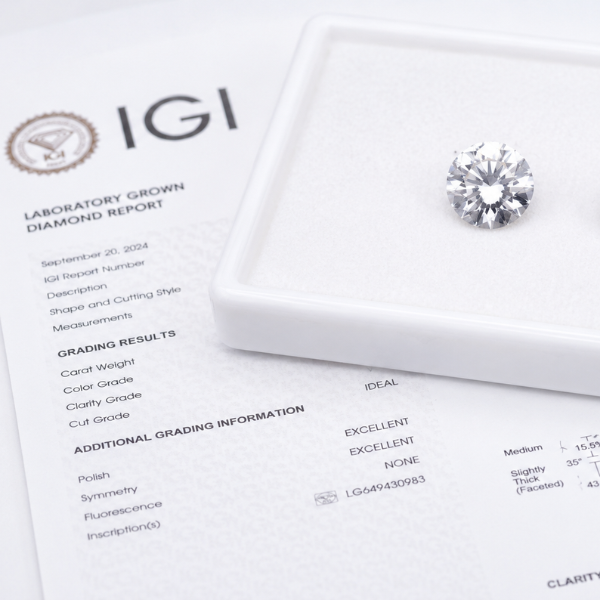
Certification is as important for lab-grown diamonds as it is for natural ones — arguably more so, because without an independent certificate you have no verification of the stone's grades, its growth method, or its treatment history. Here is what you need to know about the two main certifying laboratories.
| Laboratory | Full Name | Grading Standard | Recommended For |
|---|---|---|---|
| IGI | International Gemological Institute | Full 4Cs grading: cut, colour, clarity, carat weight. Discloses growth method (CVD or HPHT) and any post-growth treatments. Currently the most widely used certificate for lab-grown diamonds worldwide. | All lab-grown diamond purchases — the industry standard for lab diamonds in 2026 |
| GIA | Gemological Institute of America | Uses a broader descriptive grading system for lab-grown diamonds (Premium/Standard quality tiers) rather than the traditional 4Cs letter grades. Discloses growth method. The most trusted name in diamond grading overall. | High-value lab-grown diamonds where maximum independent authority is desired |
Every lab-grown diamond sold by Sunshine Diamonds is accompanied by an IGI or GIA certificate. Never buy an uncertified lab-grown diamond — certification is not optional.
Lab-Grown vs Natural Diamonds: The Honest Comparison
The comparison between lab-grown and natural diamonds is where most buyers spend the most time, and where most of the marketing noise is loudest. Here is the honest, unvarnished comparison across every dimension that actually matters to a UK buyer.
| Factor | Lab-Grown Diamond | Natural Diamond |
|---|---|---|
| Chemical composition | Pure crystallised carbon — identical | Pure crystallised carbon — identical |
| Hardness (Mohs) | 10 — identical | 10 — identical |
| Brilliance & sparkle | Identical — same refractive index | Identical — same refractive index |
| Certification | IGI or GIA — same institutions | IGI or GIA — same institutions |
| Price (same spec) | Typically 60–80% less in 2026 | Baseline — the premium option |
| Resale value | Lower — prices have declined as supply increases | Stronger — rarity supports long-term value |
| Rarity | Not rare — can be produced on demand | Finite supply — natural scarcity |
| Origin traceability | Fully traceable — known laboratory source | Variable — depends on supplier and certification |
| Environmental impact | Energy-intensive production — impact depends on energy source used by the specific producer | Land disturbance, water use, carbon footprint from mining and transport |
| Sentimental rarity | Not unique in the geological sense | Each stone formed millions of years ago — finite and ancient |
✓ Choose Lab-Grown If…
- You want the largest, highest-spec diamond your budget allows
- You plan to keep the piece rather than ever resell it
- Resale value is not a factor in your decision
- You want to allocate more budget to the setting, metal, or design
- The physical beauty of the diamond matters more than its geological origin
◆ Choose Natural If…
- You value the rarity, age, and finite supply of a mined stone
- Resale value or heirloom potential matters to you
- You want the stone to hold meaningful financial value over decades
- The romance of a naturally formed, millions-of-years-old stone is important to you
- You expect the ring to be passed down as a family heirloom
Lab-Grown Diamonds vs Simulants: Moissanite & Cubic Zirconia
This is a distinction that matters enormously and is frequently misunderstood. A lab-grown diamond is a diamond. Moissanite and cubic zirconia are simulants — materials that look like diamonds but are not diamonds in any chemical or physical sense.
| Stone | Chemical Composition | Mohs Hardness | Is It a Diamond? | Price Range |
|---|---|---|---|---|
| Lab-Grown Diamond | Pure carbon (C) | 10 | Yes — a real diamond | 60–80% less than mined equivalent |
| Natural Diamond | Pure carbon (C) | 10 | Yes — a real diamond | Market baseline |
| Moissanite | Silicon carbide (SiC) | 9.25 | No — a different mineral entirely | Very low — typically under £100/ct |
| Cubic Zirconia (CZ) | Zirconium dioxide (ZrO₂) | 8–8.5 | No — a synthetic oxide, not a diamond | Very low — costume jewellery tier |
Price Guide: What Do Lab-Grown Diamonds Cost in the UK?
Lab-grown diamond prices in the UK have continued to fall through 2025 and into 2026 as production capacity has grown globally. This is excellent news for buyers — it means more diamond for every pound of budget — but it is also the primary reason that lab-grown diamonds do not hold their value as well as natural stones. Here is a realistic UK price guide for 2026.
| Carat Weight | Cut / Quality | Lab-Grown Price (UK 2026) | Natural Equivalent |
|---|---|---|---|
| 0.50ct | Round brilliant, G colour, VS2 clarity, Excellent cut | £300 – £500 | £1,200 – £2,000 |
| 1.00ct | Round brilliant, G colour, VS1 clarity, Excellent cut | £700 – £1,400 | £4,000 – £8,000 |
| 1.50ct | Round brilliant, G colour, VS1 clarity, Excellent cut | £1,200 – £2,500 | £8,000 – £16,000 |
| 2.00ct | Round brilliant, G colour, VS2 clarity, Excellent cut | £2,000 – £4,000 | £18,000 – £35,000+ |
| 3.00ct+ | Round brilliant, G colour, SI1 clarity, Very Good cut | £4,000 – £8,000 | £50,000+ |
.jpg)
Do Lab-Grown Diamonds Hold Their Value?
This is the question that deserves the most honest answer in this entire guide. Lab-grown diamonds do not hold their value as well as natural diamonds — and this is the single most important trade-off any buyer needs to understand before purchasing.
As production technology has improved and scaled globally, the cost of producing lab-grown diamonds has fallen significantly. This has driven retail prices down substantially over the past three to four years — which is wonderful for buyers, but means that diamonds purchased even two or three years ago at higher prices are now worth considerably less on the secondary market.
Natural diamonds, by contrast, have a finite supply. The earth produces no more of them. This scarcity supports their long-term value in ways that a producible commodity — however beautiful — simply cannot replicate.
The practical implication: if you are buying jewellery as a long-term investment or as an heirloom piece intended to retain and potentially increase in value, a natural diamond is the correct choice. If you are buying jewellery to wear, love, and enjoy — and resale value is not a factor — a lab-grown diamond offers extraordinary value for money and is a completely legitimate choice.
Are Lab-Grown Diamonds Ethical & Sustainable?
The ethical and environmental dimensions of lab-grown versus natural diamonds are more nuanced than the marketing language on either side tends to suggest. Here is an honest breakdown.
- Conflict diamonds: a genuine advantage for lab-grown. Lab-grown diamonds have no supply chain risk from conflict zones. Their origin is fully traceable to a specific laboratory — a meaningful distinction for buyers with concerns about the Kimberley Process's limitations in policing the mined diamond supply chain.
- Energy consumption: the honest picture. Growing diamonds in a laboratory is energy-intensive. The environmental impact depends entirely on the energy source used by the specific producer — a laboratory powered by renewable energy has a very different footprint from one powered by coal. Ask your jeweller specifically about their supplier's energy sourcing rather than accepting broad "sustainable" claims at face value.
- Land disturbance: a genuine advantage. Diamond mining involves significant land disturbance, water use, and carbon emissions from heavy machinery and logistics. Lab-grown production avoids this entirely.
- Mining community impact: a genuine trade-off. Diamond mining supports hundreds of thousands of jobs and livelihoods in countries including Botswana, Canada, Russia, and South Africa. A wholesale shift to lab-grown diamonds would have significant economic consequences for those communities — a point rarely raised in pro-lab-grown marketing.
- The honest summary: Neither option is automatically "more ethical." A responsibly sourced, certified natural diamond from a reputable supplier and a lab-grown diamond produced using renewable energy are both defensible choices. Ask specific questions of your jeweller — and judge their answers on substance, not slogans.
Lab-Grown Diamond Jewellery: What Types Are Available?
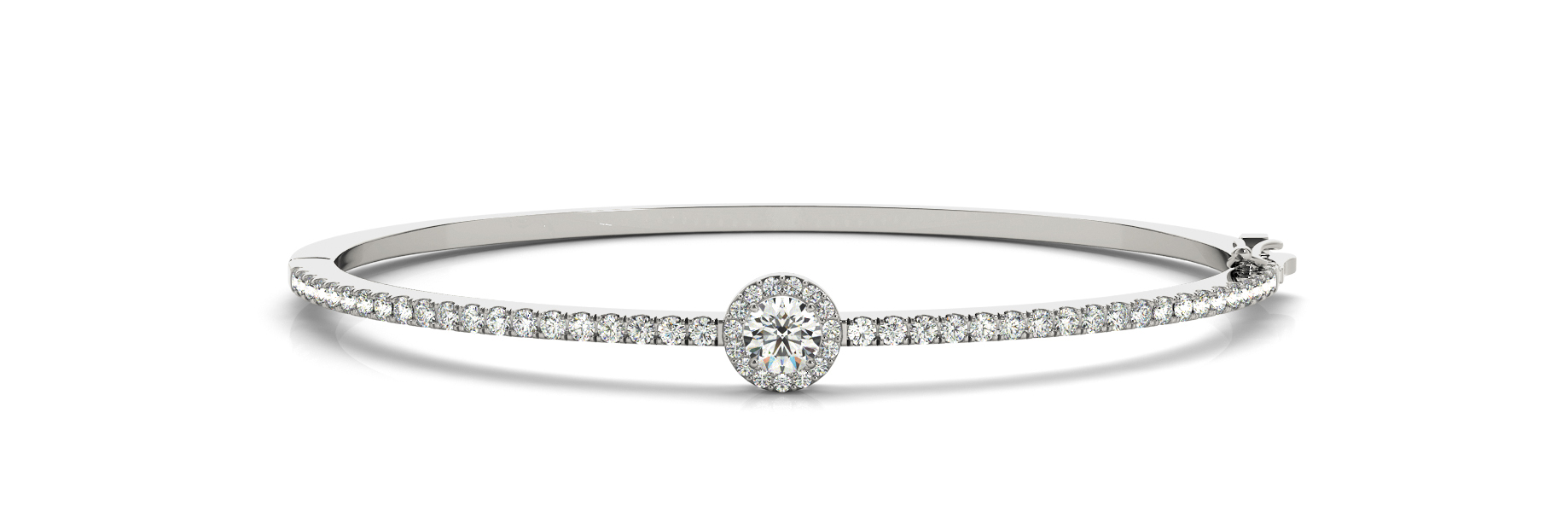
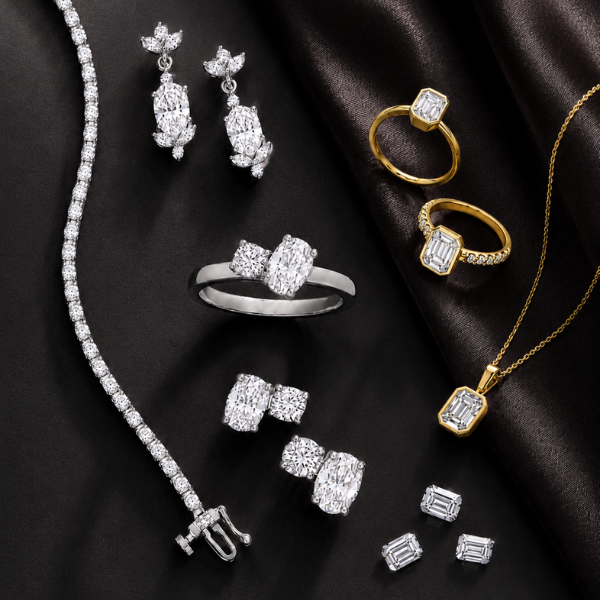
Every setting, style and jewellery type available in natural diamonds is equally available in lab-grown diamonds. The stone is interchangeable — only the origin differs. At Sunshine Diamonds, the lab-grown diamond collection includes:
Engagement Rings
Solitaire, halo, trilogy, pavé, and bezel settings in 18ct white gold, yellow gold, rose gold and platinum. The most popular category — lab-grown diamonds allow buyers to choose a significantly larger centre stone on the same budget.
Diamond Earrings
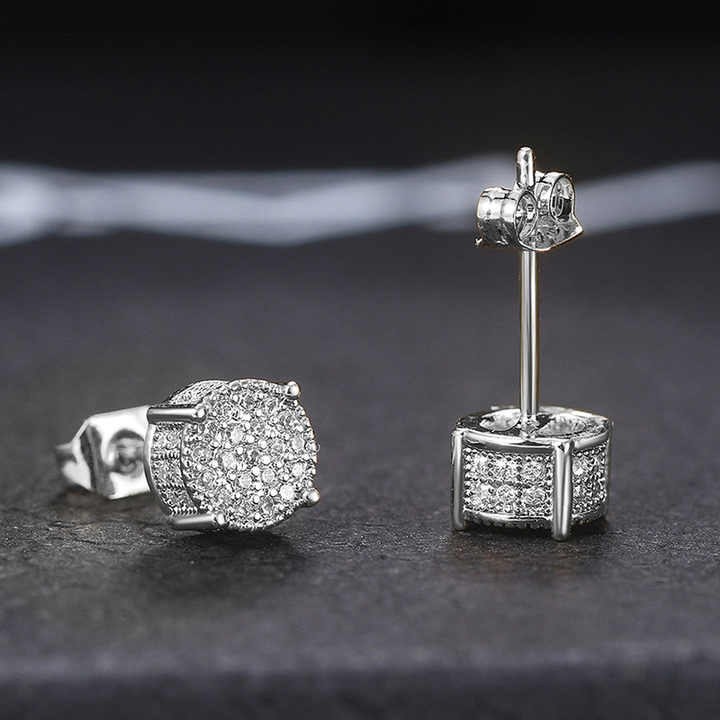
Stud, drop, hoop and cluster earrings. Lab-grown diamonds allow larger carat weights in earrings for the same price — a particularly compelling option for stud earrings where size is immediately visible.
Diamond Pendants
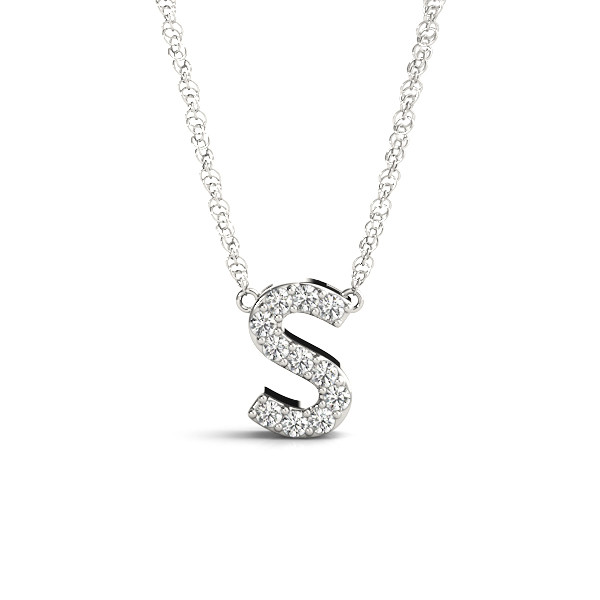
Solitaire pendants, cluster pendants and shaped designs on fine gold or platinum chains. A lab-grown diamond solitaire pendant offers exceptional visible size and brilliance relative to its cost.
Tennis Bracelets
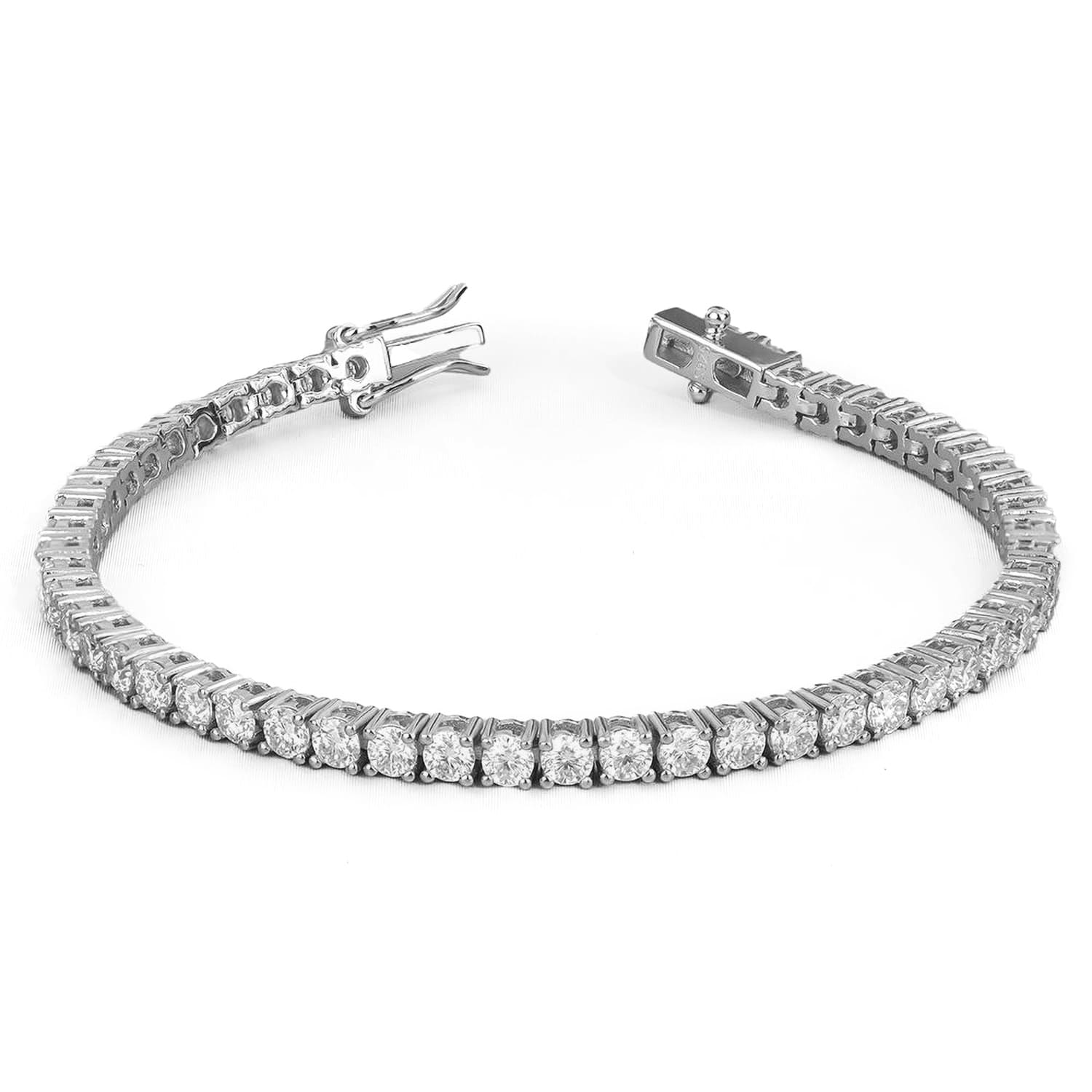
A continuous line of lab-grown diamonds set in gold or platinum. Lab-grown diamonds make tennis bracelets with a total carat weight that would be prohibitively expensive in natural diamonds accessible for many more buyers.
Diamond Rings
Eternity rings, dress rings, cocktail rings and stackable bands. All fully available in lab-grown diamonds — and at a price point that makes buying multiple pieces to stack or layer genuinely accessible.
Coloured Lab-Grown Diamonds
Fancy coloured lab-grown diamonds — yellow, pink, blue — are created by introducing trace elements (nitrogen for yellow, boron for blue) during growth. These are available at a fraction of the cost of natural fancy colour diamonds.
Shop Lab-Grown Diamond Jewellery at Sunshine Diamonds
Caring for Lab-Grown Diamond Jewellery
Lab-grown diamonds require exactly the same care as natural diamonds — because they are, chemically and physically, the same material. The 10 Mohs hardness means they are extremely resistant to scratching from everyday activity, but they are not indestructible: a hard blow at the right angle can chip a diamond — lab-grown or natural — particularly at the girdle or culet.
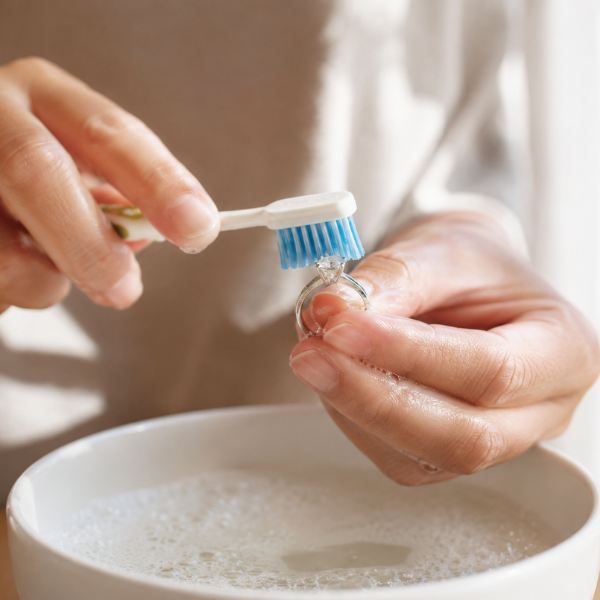
- Clean regularly with warm water, a small amount of mild washing-up liquid, and a soft-bristle brush (a baby toothbrush is ideal). Rinse thoroughly with clean water and dry with a lint-free cloth. Do this once a week for daily-worn pieces.
- Ultrasonic and steam cleaners are safe for most lab-grown diamond settings — but check that the setting itself (particularly pavé or flush-set stones) is secure before using an ultrasonic cleaner, as vibration can loosen poorly set stones over time.
- Store separately. Despite being the hardest material in your jewellery box, a diamond can scratch other pieces — gold, softer gemstones, pearls. Store each piece separately in its own pouch or box.
- Remove for impact activities. Gym sessions, gardening, moving furniture, and heavy manual work all carry a risk of catching or knocking a ring. Remove it and store safely before these activities.
- Annual prong check. Have the settings checked by a professional jeweller once a year — particularly for rings worn daily. Prongs can wear and loosen over time, and a stone working loose in its setting is easily fixed when caught early and expensive to replace if the stone is lost.
- Chlorine and harsh chemicals. Remove diamond jewellery before swimming in chlorinated pools. Chlorine does not damage the diamond itself, but it can weaken gold alloys and loosen settings over time.
Should You Choose Lab-Grown or Natural? The Honest Answer
There is no objectively correct answer to this question — it depends entirely on what you value. Here is the framework most of our customers find useful when making this decision.
- If budget is the primary constraint and size matters: lab-grown is almost certainly the right choice. A £2,000 budget buys a 0.70ct natural diamond or a 2.00ct+ lab-grown diamond of equal or superior cut quality. The difference in visible impact is dramatic.
- If this is a piece intended to be kept and potentially passed on: a natural diamond is worth serious consideration. Its finite supply and market history support long-term value in ways a lab-grown stone cannot.
- If the environmental or ethical dimension is driving the decision: investigate both options honestly rather than assuming lab-grown is automatically more ethical. A certified natural diamond from a responsible supplier and a lab-grown diamond from a renewably powered laboratory are both defensible choices.
- If you simply want the most beautiful diamond your money can buy, for a piece you intend to wear and love for its own sake: a lab-grown diamond is a completely legitimate, beautiful, durable choice — and in 2026, it offers remarkable value for money.
Step-by-Step: Buying Lab-Grown Diamond Jewellery
- Decide on your purpose first. Engagement ring, earrings, pendant, bracelet — the jewellery type determines the stone shape and setting style you'll be choosing between.
- Set your total budget including the setting. The diamond itself is one cost; the metal setting is another. In 18ct gold or platinum, a well-made setting adds meaningfully to the total — plan for both before choosing a stone.
- Prioritise cut above all other Cs. A well-cut lab-grown diamond with slightly lower colour or clarity grades will look more brilliant than a poorly cut diamond with perfect grades. Cut is the quality factor that determines how much your diamond sparkles — never compromise it.
- Choose colour grade G or above. Colour grades D–F are colourless; G–H are near-colourless and virtually indistinguishable to the eye. Grades I and below show a slight warmth. For most buyers, G or H offers the best balance of quality and price.
- Choose clarity VS2 or above for eye-clean results. VS2 and above are effectively eye-clean — no inclusions visible without magnification. SI1 can also be eye-clean depending on the specific stone; ask to see the stone or its certificate image before committing at SI clarity grades.
- Always buy certified. Never purchase an uncertified lab-grown diamond. IGI and GIA are the two certificates to look for. A certificate is your only independent verification of what you are buying.
- Choose the right metal for the piece. 18ct white gold and platinum are the most popular choices for diamond jewellery — the cool white metal maximises the appearance of colourless diamonds. Yellow or rose gold creates a warmer, more contemporary contrast.
- Buy from a reputable jeweller who is transparent about the stone's origin, certification, and treatment history. A trustworthy jeweller will volunteer this information and answer direct questions clearly, without deflection.
Frequently Asked Questions
UK Diamond & Gemstone Jewellery Experts — Our editorial team brings decades of combined experience in fine diamond jewellery. All content is reviewed against current GIA and IGI grading standards and updated annually.
Final Thoughts
The question of whether to choose a lab-grown or natural diamond is not about which is better in some absolute sense — it is about which is right for you, your values, your budget, and how you intend to wear and enjoy your jewellery. Lab-grown diamonds are real, beautiful, durable, and offer extraordinary value for money in 2026. Natural diamonds carry a geological rarity, a history, and a long-term value characteristic that lab-grown stones do not. Both are legitimate choices, and both deserve to be approached honestly rather than through the lens of marketing.
At Sunshine Diamonds, our lab-grown diamond collection is certified by IGI and GIA, set in hallmarked UK gold and platinum, and priced transparently. Browse the collection online, or speak to our team for honest, personalised guidance on which stone and setting is right for you.